
Railways Land Eviction Case: Law, Livelihood, and the Question of Justice
The Railways Land Eviction Case highlights the ongoing conflict between development needs and the rights of vulnerable communities in India. Indian Railways owns vast stretches of land across the country, much of which has been encroached upon over decades by informal settlements, small vendors, and economically weaker sections. While the government views eviction as necessary for safety, infrastructure expansion, and efficient rail operations, affected communities often see it as a threat to their homes, livelihoods, and dignity. This case has therefore raised important legal and humanitarian questions.
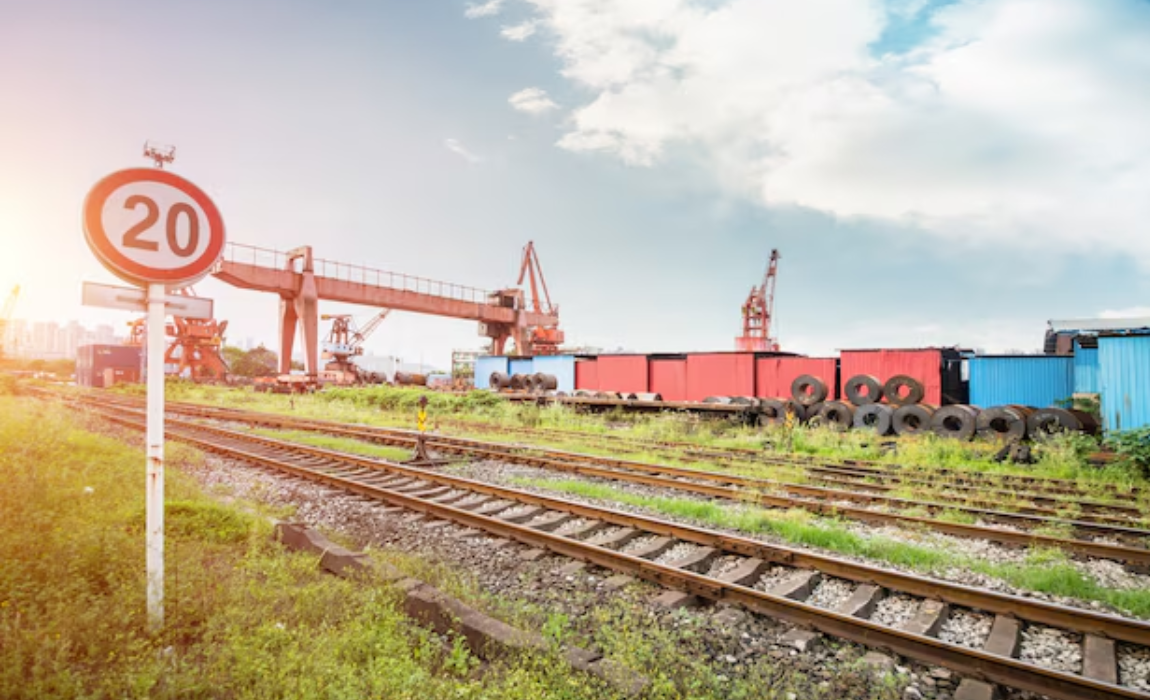
At the centre of the issue is the authority of Indian Railways to remove unauthorised occupants from its land. Railways land is considered public property meant for essential services such as tracks, stations, and safety zones.
Encroachments near railway lines pose serious risks, including accidents, derailments, and obstruction of maintenance work. From an administrative perspective, eviction drives are justified as necessary for public safety and national infrastructure development.
However, the human dimension of the problem cannot be ignored. Many of the people living on railway land are migrants, daily wage workers, or families who settled there due to lack of affordable housing elsewhere. In several cities, these settlements have existed for decades, often with access to basic utilities and local recognition. Eviction, especially without proper notice or rehabilitation, can push already vulnerable populations into extreme hardship.
The legal debate intensified when eviction orders were challenged before the Supreme Court of India. The Court was asked to decide whether such evictions violated the right to life and dignity under Article 21 of the Constitution. Petitioners argued that sudden removal without rehabilitation amounted to a denial of basic human rights. They also pointed out that many residents were not recent encroachers but long-term occupants.
The Court, while recognising the hardships faced by residents, generally upheld the legal authority of Indian Railways to reclaim its land. It observed that unauthorised occupation of public land cannot be legally protected simply because it has existed for a long time. At the same time, the Court stressed the need for humane implementation. In several instances, it directed authorities to follow due process, provide adequate notice, and consider rehabilitation measures where possible, especially for poor and marginalised groups.
The current situation shows a mixed approach. Eviction drives continue in various parts of the country, particularly in urban areas where railway expansion and redevelopment projects are underway. At the same time, public pressure and judicial guidance have encouraged authorities to adopt a more cautious and phased approach. In some cases, state governments and local bodies have worked on relocation plans, while in others, evictions have been criticised for being abrupt and insensitive.
This case reflects a broader challenge in Indian governance: balancing development with social justice. Infrastructure growth is essential for economic progress, but it must not come at the cost of human suffering. Courts have repeatedly emphasised that while illegal occupation cannot be legitimised, the state has a responsibility to ensure that evictions are carried out in a fair and humane manner.
The Railways Land Eviction Case also raises questions about long-term urban planning. The existence of large informal settlements on public land points to failures in housing policy and urban governance. Without affordable housing and inclusive planning, such conflicts are likely to continue.
In conclusion, the Railways Land Eviction Case is not merely a legal dispute over land ownership but a reflection of deeper social and economic realities. While Indian Railways has a legitimate right to protect its land and ensure public safety, the state must also uphold constitutional values of dignity and fairness. A balanced approach—combining lawful eviction with rehabilitation and long-term housing solutions—is essential to ensure that development remains inclusive and just.