
The Role of Media in a Democracy
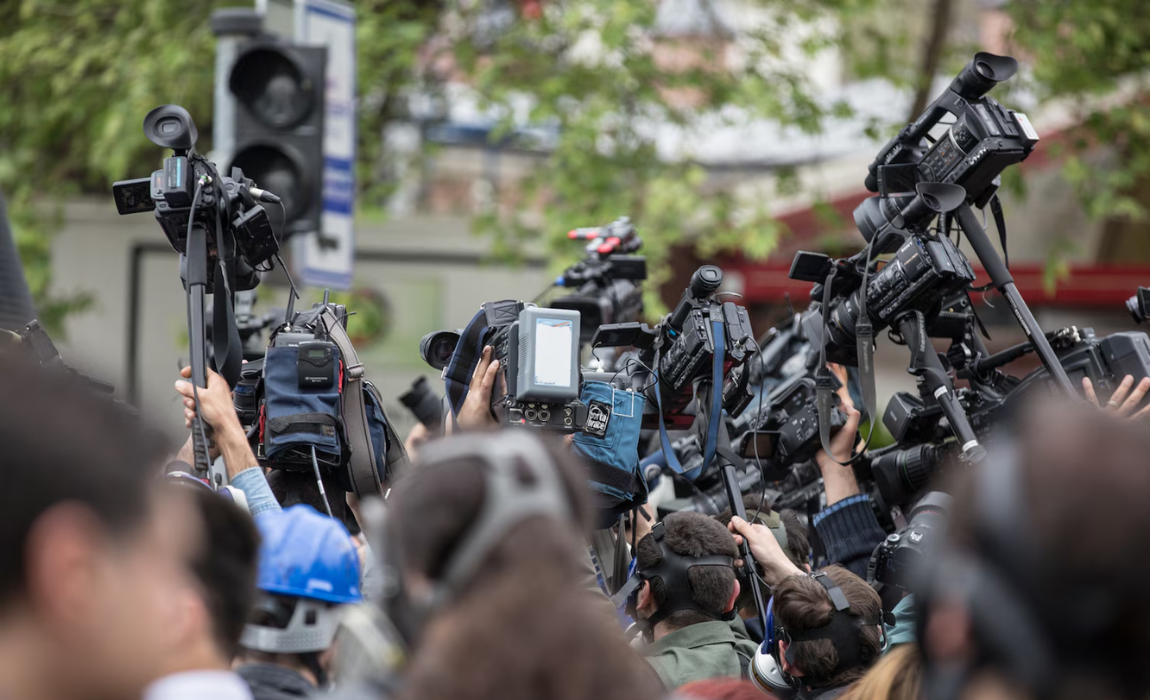
In any functioning democracy, the media is often described as the “fourth pillar,” a watchdog that keeps an eye on the other three pillars—legislature, executive, and judiciary. It is a role rooted not just in storytelling or information-sharing, but in holding power accountable and ensuring citizens remain informed participants in governance. In India, a country of extraordinary diversity and political vibrancy, the media’s role is even more critical. Yet, as the landscape of news changes rapidly, questions are emerging about whether the media is fulfilling its democratic responsibilities or drifting away from them.
At its core, the purpose of media in a democracy is simple: to inform. A well-informed citizenry is the backbone of democratic decision-making. From reporting on elections and government policies to exposing corruption and administrative failures, the media helps people understand issues that influence their lives. When a government
introduces a new law or a major scandal breaks out, it is the media that brings the details to the public, enabling debate, scrutiny, and ultimately, accountability. Without such transparency, democracy risks becoming a hollow exercise.
Another essential role of the media is to serve as a platform for public discourse. In a diverse nation like India, where millions of voices compete to be heard, the media becomes the bridge between citizens and the state. Through debates, editorials, interviews, and investigative reports, it amplifies concerns that might otherwise be ignored—issues such as rural distress, women’s safety, environmental degradation, or the rights of marginalised communities. By spotlighting these concerns, the media pushes policymakers to take action and encourages society to reflect on larger moral questions.
But the media’s influence is not always positive. In recent years, concerns have grown about sensationalism, misinformation, and political bias. Certain segments of the media have shifted from objective reporting to polarising narratives that prioritise TRPs over truth. Instead of scrutinising those in power, some outlets appear to act as cheerleaders, blurring the line between journalism and propaganda. When media houses become too closely aligned with political or corporate interests, their ability to question authority weakens, and the public’s trust begins to erode.
The rise of social media has intensified these challenges. While it has democratised information by giving ordinary people a voice, it has also become a breeding ground for fake news and hate speech. Algorithms that reward anger and outrage have pushed society into echo chambers, where people consume only the information that confirms their biases. This fragmentation of facts not only misinforms citizens but also fuels division and weakens the shared understanding necessary for a healthy democracy.
Despite these problems, the power of ethical journalism remains undeniable. When done right, investigative journalism has brought justice in countless cases—from exposing corruption to highlighting human rights violations. Honest reporting has pressured governments to act, saved lives during disasters, and inspired collective action. Even today, small regional newspapers, independent journalists, and digital platforms continue to uphold the values of truth and fairness, often with fewer resources and greater risks.
The way forward lies in strengthening media independence and restoring public trust. This requires greater transparency in media ownership, stronger regulation of misinformation, and a commitment to editorial neutrality. Journalism schools must focus on training future reporters in ethics, fact-checking, and digital literacy. At the same time, audiences must also take responsibility by consuming news critically and supporting credible sources.
A democracy thrives when its citizens are informed, its institutions are accountable, and its debates are grounded in truth. The media, when free and honest, plays an irreplaceable role in ensuring this. India’s democratic future will depend not just on elections or institutions, but on whether the media chooses to be a mirror reflecting reality—or a screen projecting illusion.